

If you’ve spent any time exploring Colorado, chances are you’ve heard people talk about the “Continental Divide“—but what exactly is it, and why do people make such a big deal out of it?
Here’s the simple version: the Continental Divide is a natural boundary that runs through the Rocky Mountains and determines which direction water flows. Rain or snow that falls on the west side eventually drains into the Pacific Ocean, while anything on the east side flows to the Atlantic. It’s basically the spine of the continent, and in Colorado, you can actually stand on that line in some pretty incredible places.
Whether you’re a serious hiker or just someone who appreciates a good scenic drive, there are some unforgettable spots along the Divide in Colorado that are absolutely worth your time. Here are six iconic experiences to check out.
1. Grays Peak: A 14er on the Divide
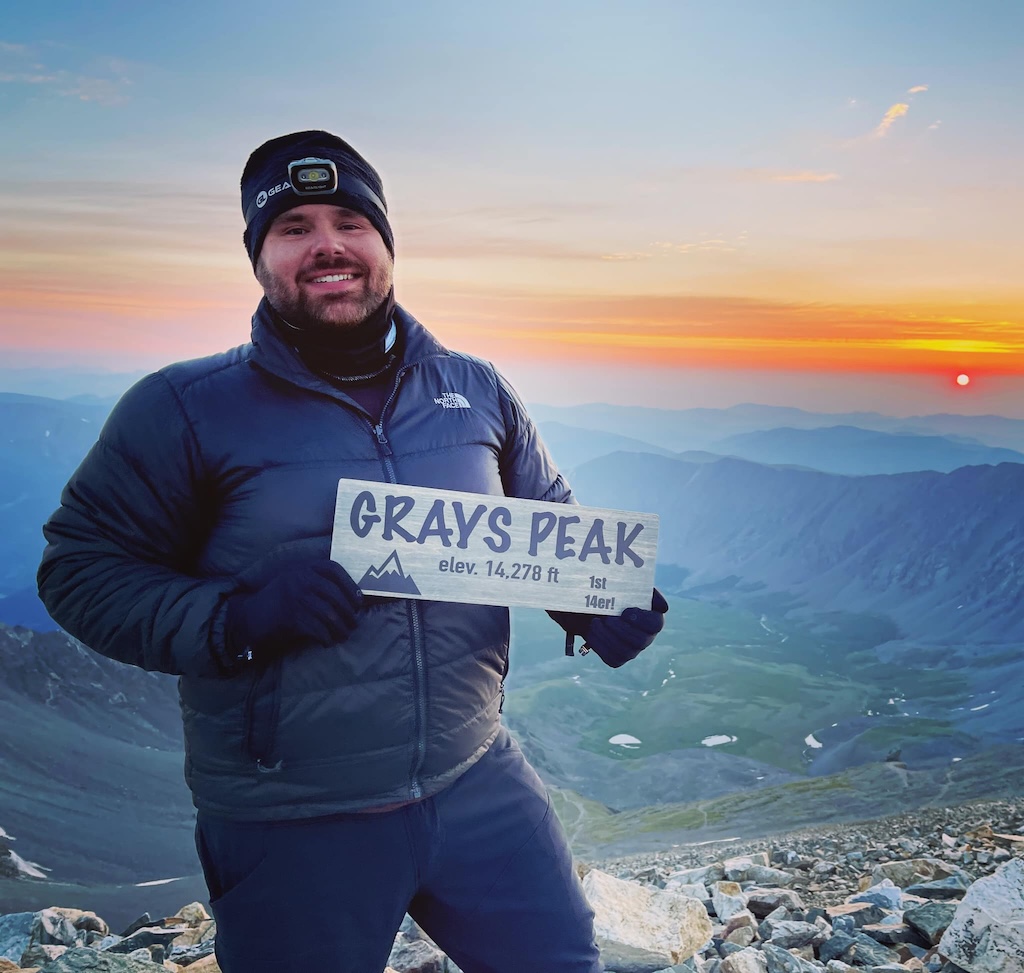
If climbing a “14er” is on your Colorado bucket list, Grays Peak is one of the most accessible options—and it just happens to sit right on the Continental Divide. At 14,278 feet, it’s the highest point on the Divide in the U.S.
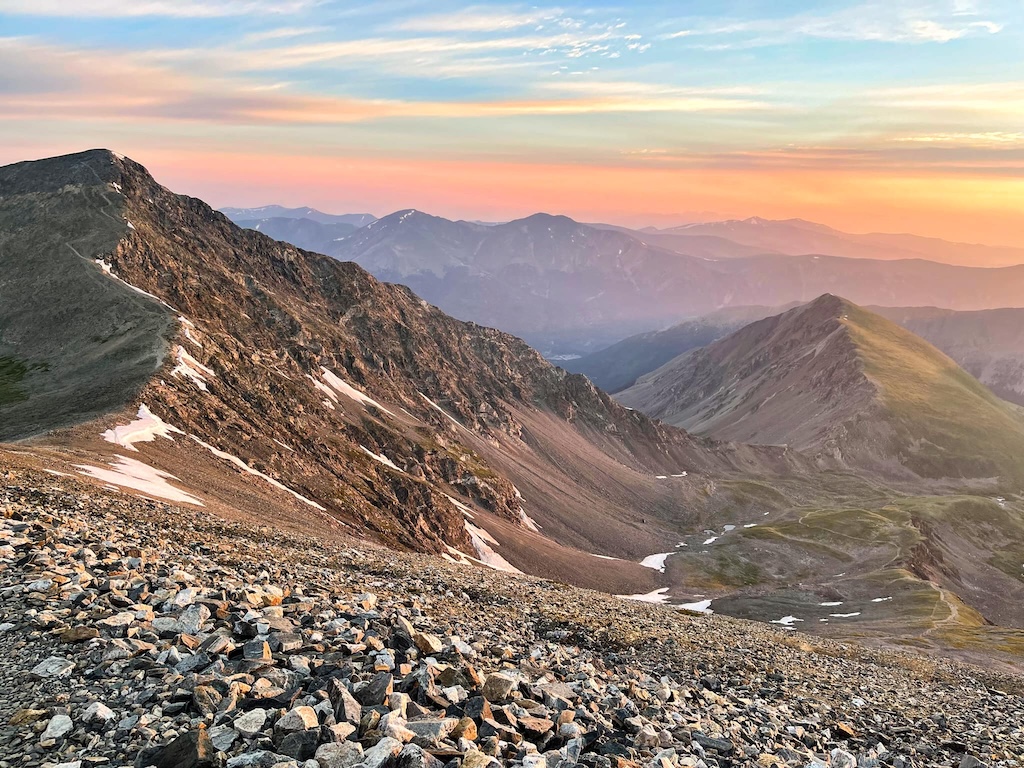
The trail to Grays Peak starts at Stevens Gulch and gains about 3,000 feet over 8 miles round trip. It’s a strenuous climb, but reaching the summit is worth every step—not just for the sweeping views, but because you’re standing at the highest point on the entire Continental Divide in North America.
There’s something unforgettable about that moment. You’re not just on top of a mountain—you’re on the very top of the continent’s backbone. Peaks stretch in every direction, and the air feels thinner, quieter, and charged with a kind of energy you only get in places like this. It’s one of those rare spots where the geography actually feels significant. You can’t help but pause and take it all in.
If you want to experience the Continental Divide in the most awe-inspiring way possible, this is it.
2. Black Powder Pass: Where Two Forests Meet
This one’s a bit more off the beaten path, and that’s part of what makes it so special.
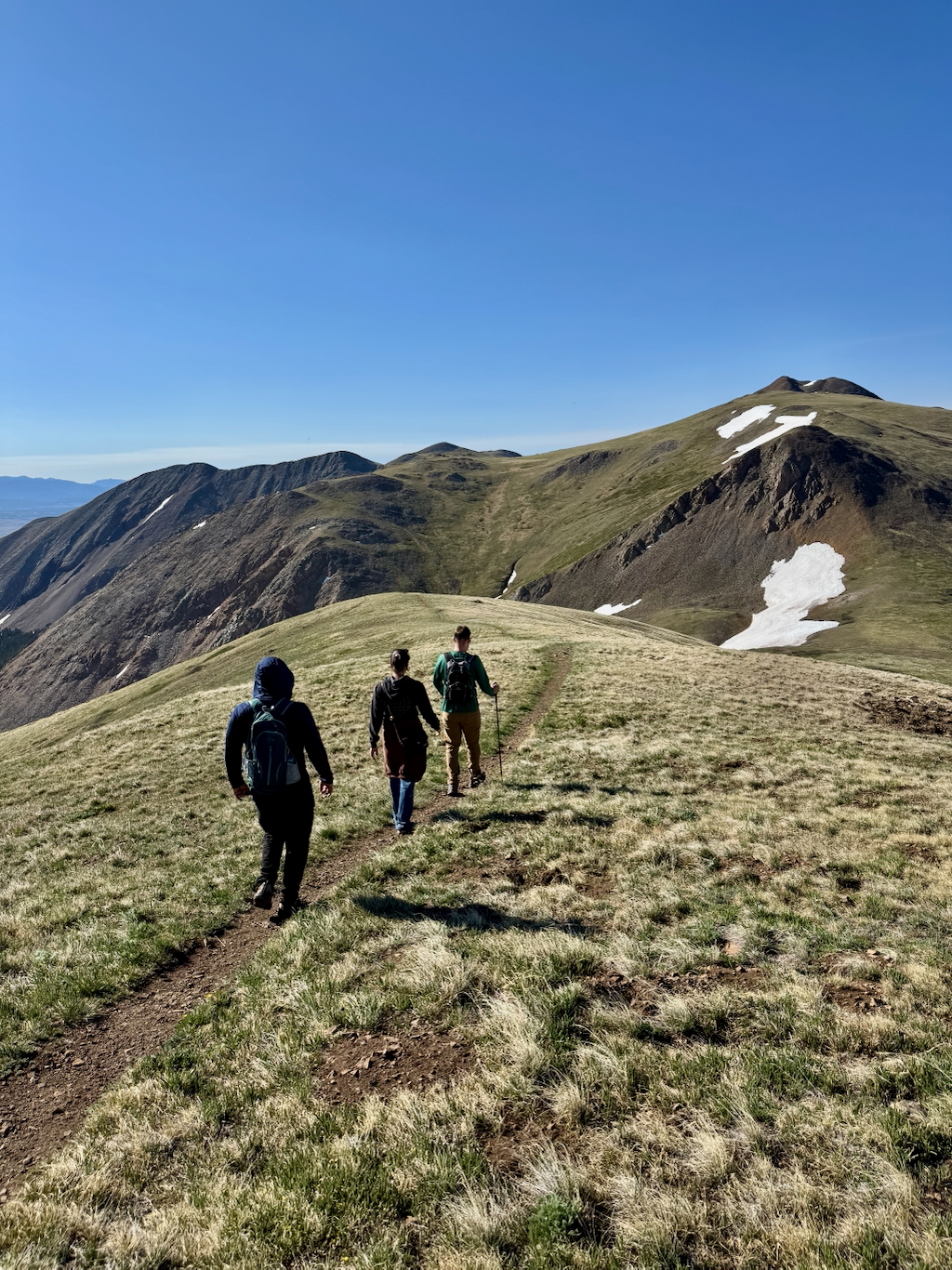
Black Powder Pass is a moderate hike that starts at Boreas Pass, just outside of Breckenridge. What makes it cool—besides the alpine views—is that it sits right where White River National Forest and Pike National Forest meet, both on either side of the Divide.
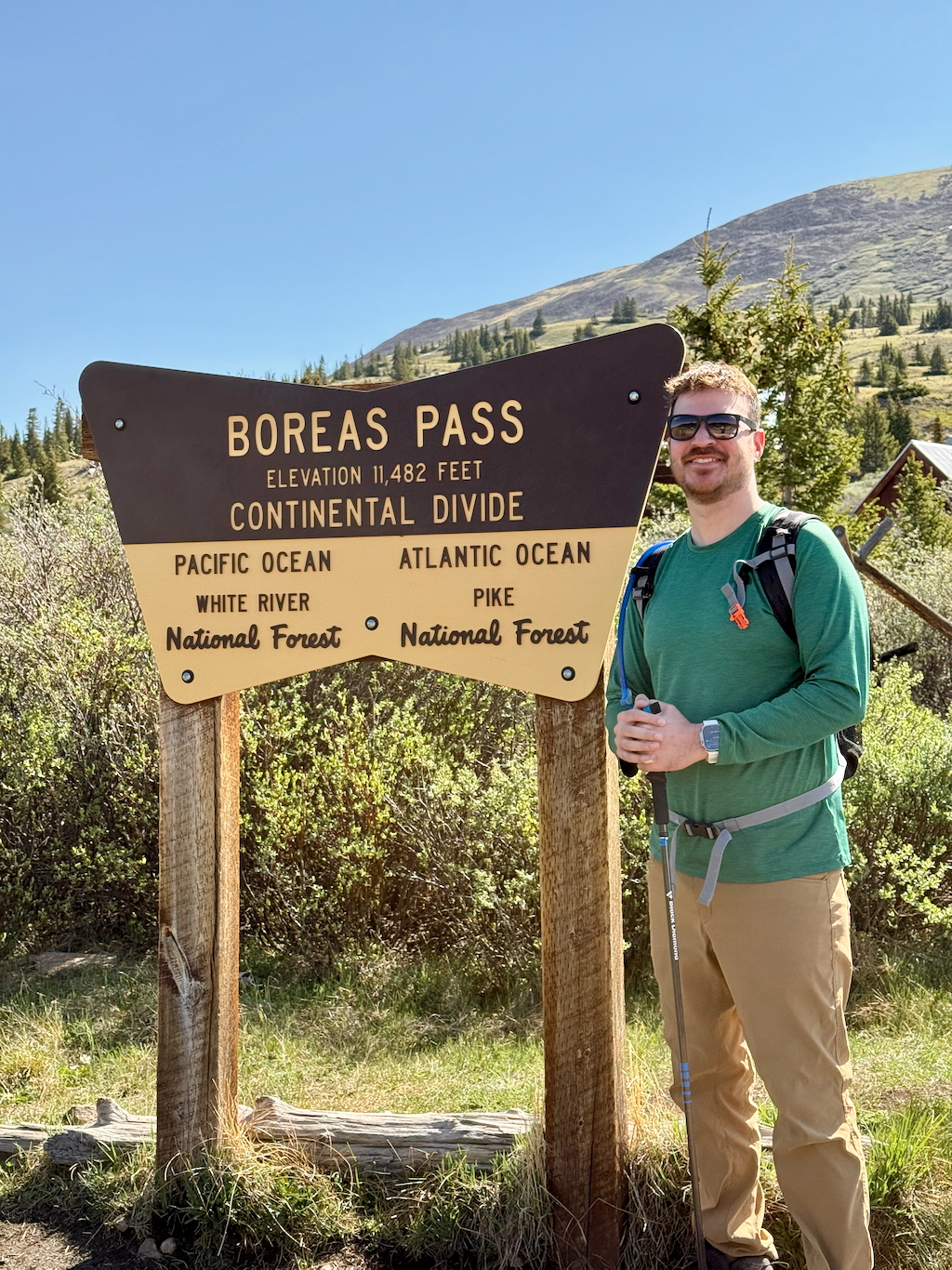
The trail itself is only about 3.6 miles round trip with 1,000 feet of elevation gain, so it’s manageable for most folks. It’s especially stunning in late summer when the wildflowers are popping and the weather’s just right.
If you’re into quiet trails, wide-open views, and a bit of Colorado history (the old railroad bed the trail follows is from the Denver, South Park & Pacific Railroad), this one’s for you.
3. Independence Pass: A Drive Worth Taking
If hiking’s not your thing, or you just want a breather between treks, Independence Pass offers some of the best high-alpine scenery in the state—from the comfort of your car.

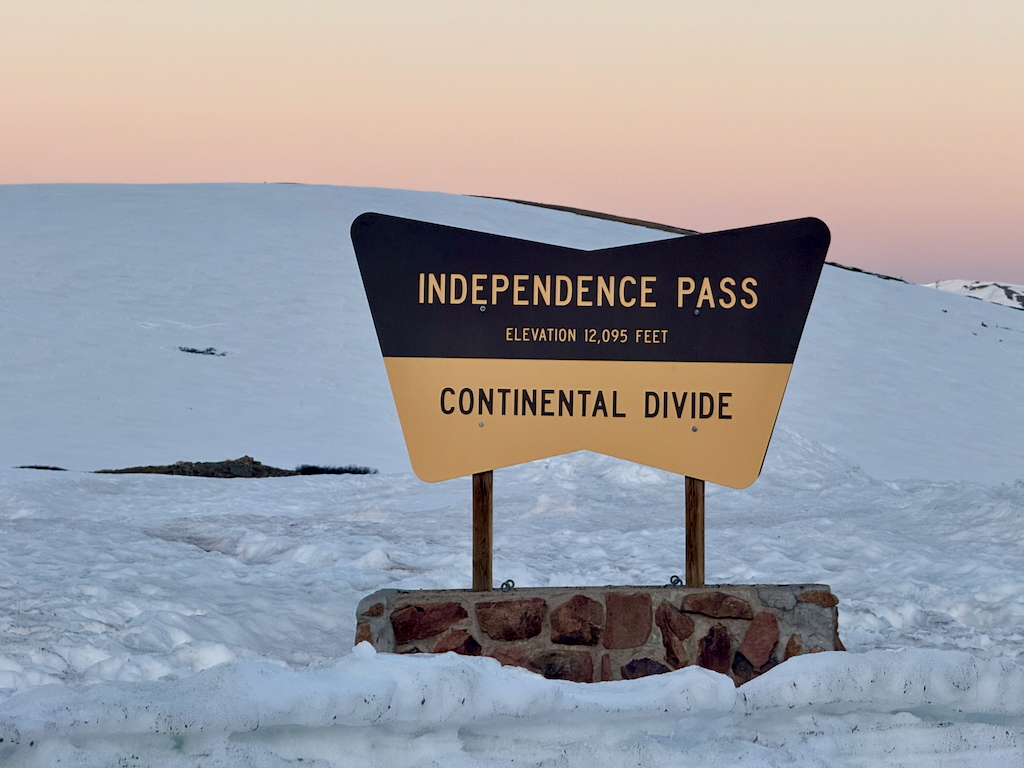
The pass tops out at 12,095 feet and connects Twin Lakes and Aspen. The drive is full of sharp turns, steep drop-offs, and crazy-beautiful views. There’s a short paved trail at the top that lets you walk along the Divide without breaking a sweat. Even on a cloudy day, the landscape feels otherworldly.
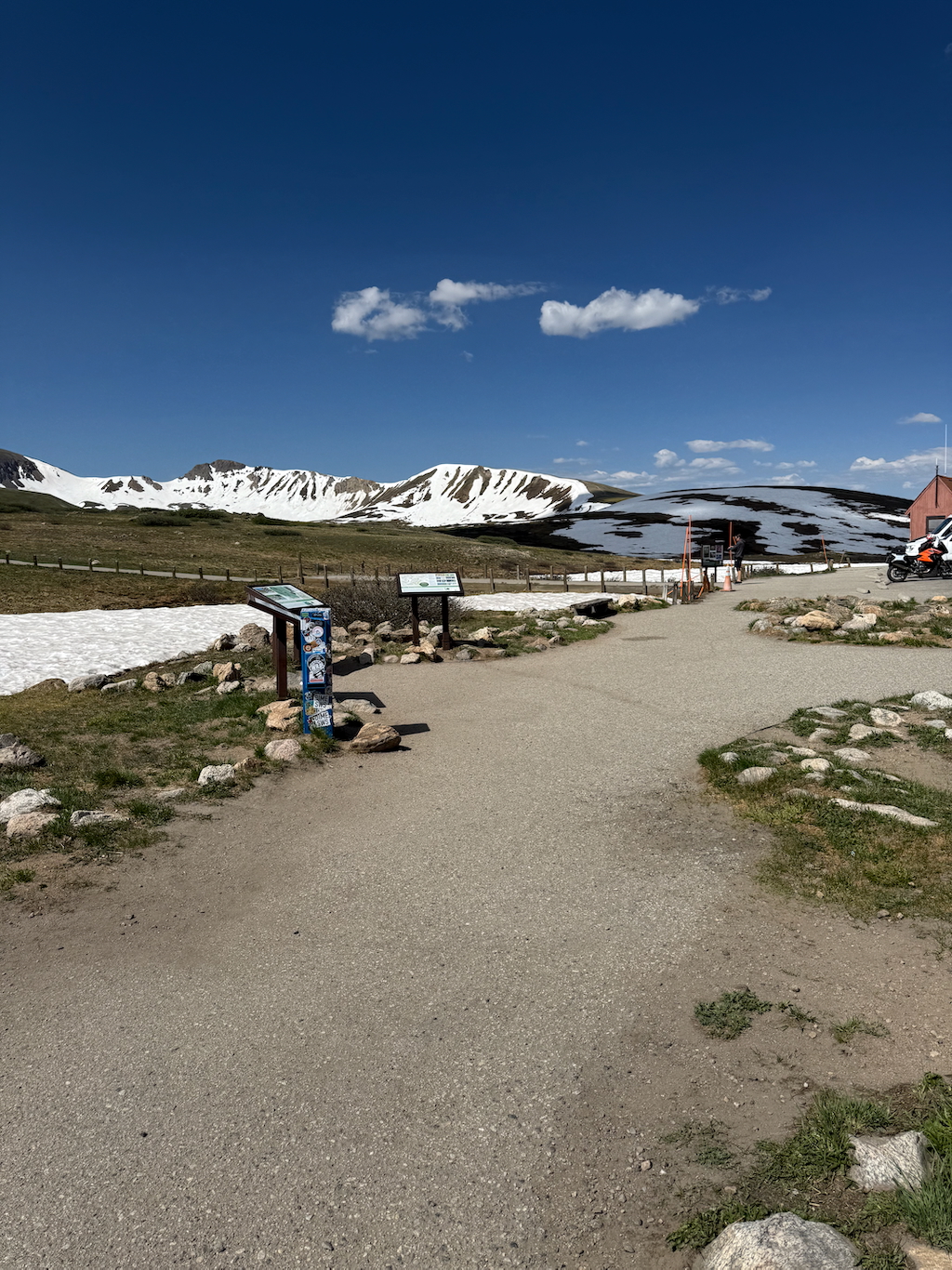
Note: The pass closes in winter, usually from October to late May or early June, depending on snowpack. Definitely double-check before heading up.
4. Loveland Pass: Big Views, High Roads, and a Walk on the Divide
Even if you never lace up your hiking boots, Loveland Pass offers one of the easiest and most rewarding ways to experience the Continental Divide up close. Sitting at 11,990 feet, this high mountain pass is one of the highest paved roads in North America that stays open year-round (weather permitting), thanks to its role as the detour when the Eisenhower Tunnel closes.
What makes Loveland Pass truly special—beyond the jaw-dropping views—is that you’re standing right on the Divide. There’s even a sign marking the spot, and it’s a popular place to snap a photo while literally straddling the line that splits water flow between the Atlantic and Pacific.
From the parking area, you can access a couple of short but rewarding hikes, including the trails to Cupid Peak and Mount Sniktau. These trails take you along the actual spine of the Divide, offering panoramic views east and west, and giving you that rare “top of the world” feeling without the commitment of a 14er. You’ll be above treeline the entire way, walking through high-alpine tundra that feels more like Iceland or the Himalayas than something you’d expect to reach by car.
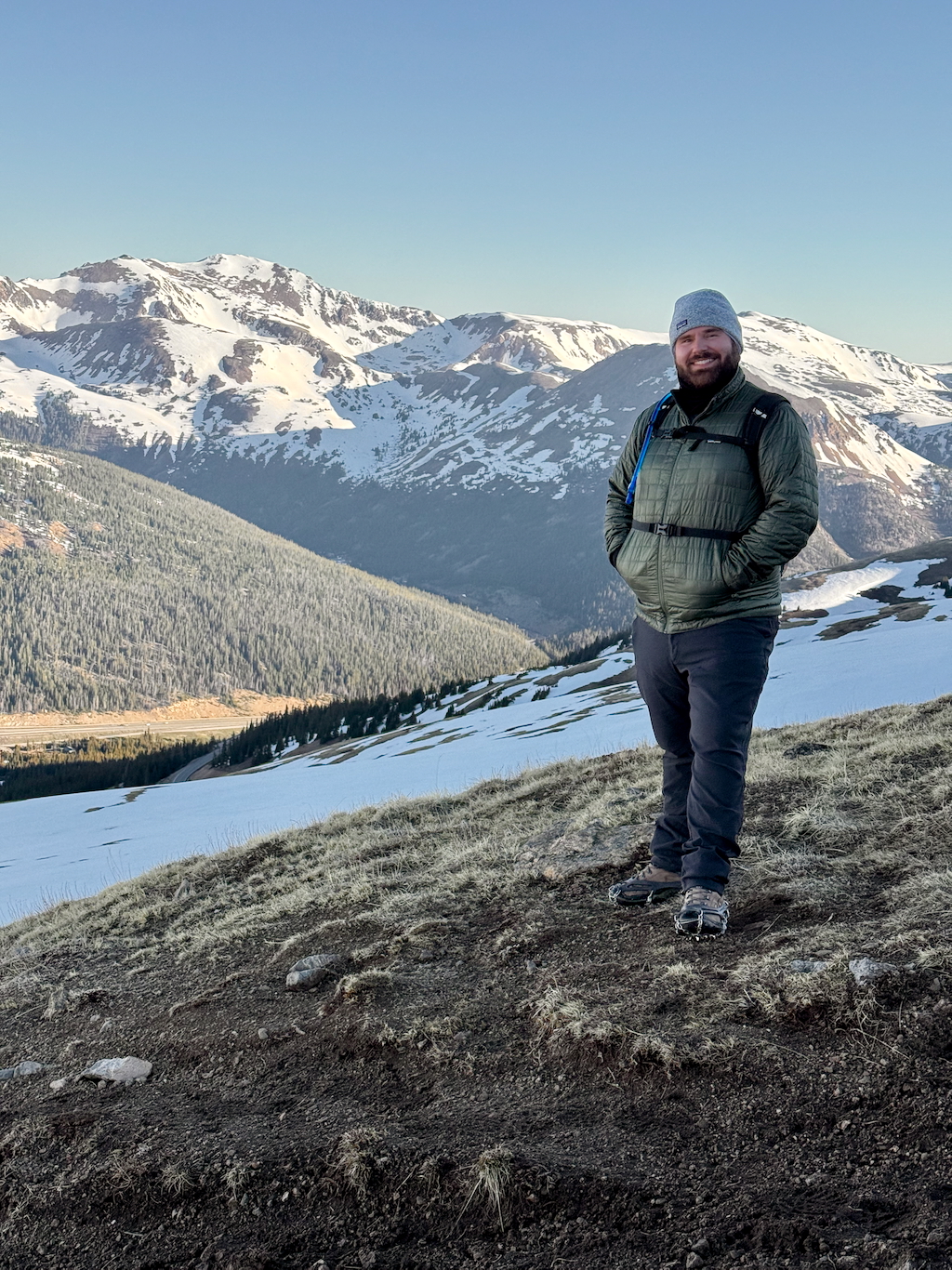
In summer, you might spot marmots sunning themselves on the rocks, or the occasional pika darting through the rocks. And if you stick around after dark, Loveland Pass is also one of the most accessible stargazing spots in Colorado. With very little light pollution and big, wide-open skies, it’s a prime place to see the Milky Way stretching overhead.
Whether you hike or just take in the scenery from the parking lot, Loveland Pass is one of the most iconic and easy-to-reach Continental Divide experiences in Colorado.
5. Berthoud Pass: A Drive-By Waterfall and Continental Divide Views
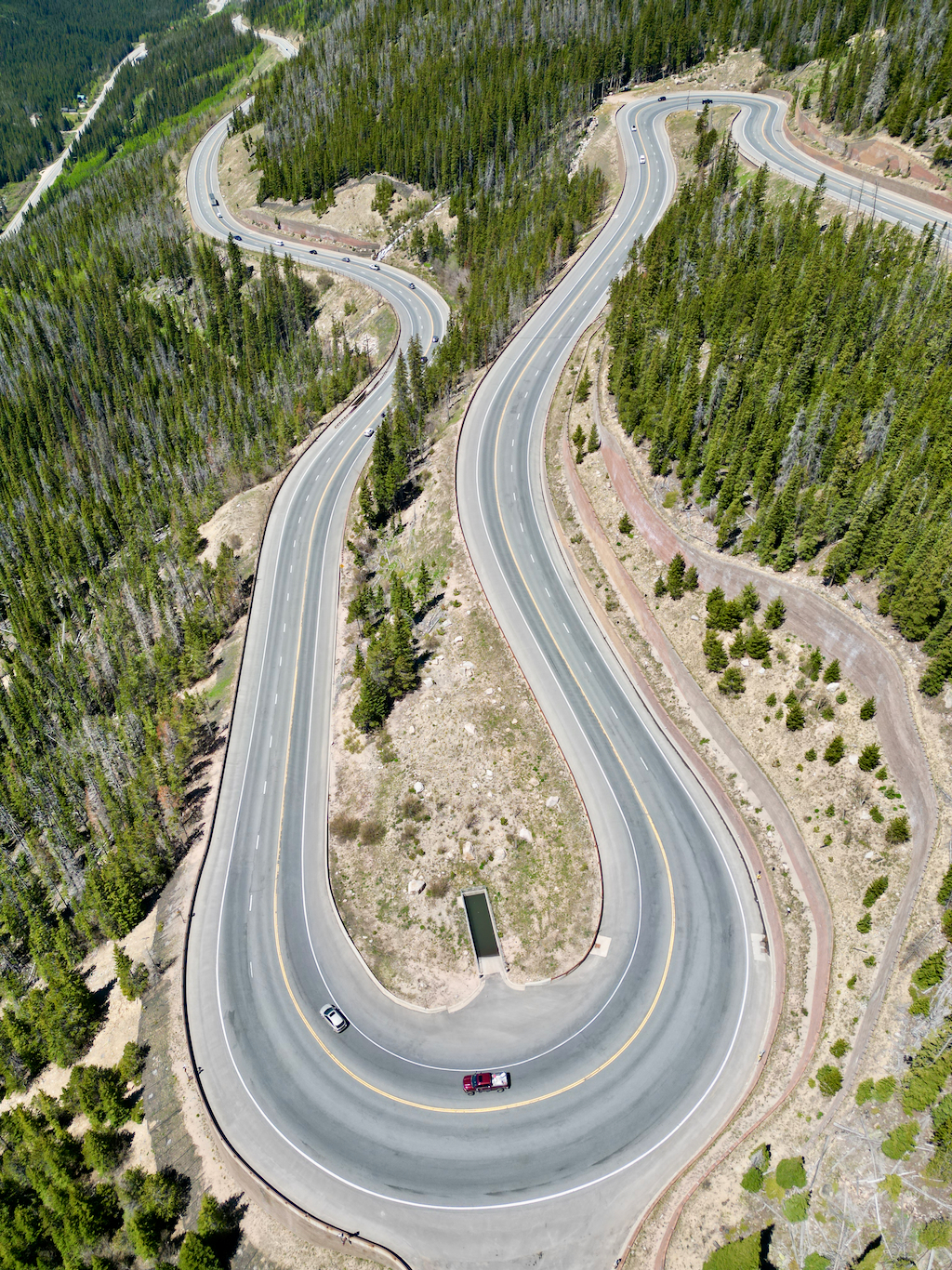
If you’re looking for a quick hit of mountain scenery without a big time commitment, Berthoud Pass delivers. Located on Highway 40 between Empire and Winter Park, the pass tops out at 11,307 feet—and yes, it crosses right over the Continental Divide.
But the real surprise? There’s a waterfall you can see without even getting out of your car.
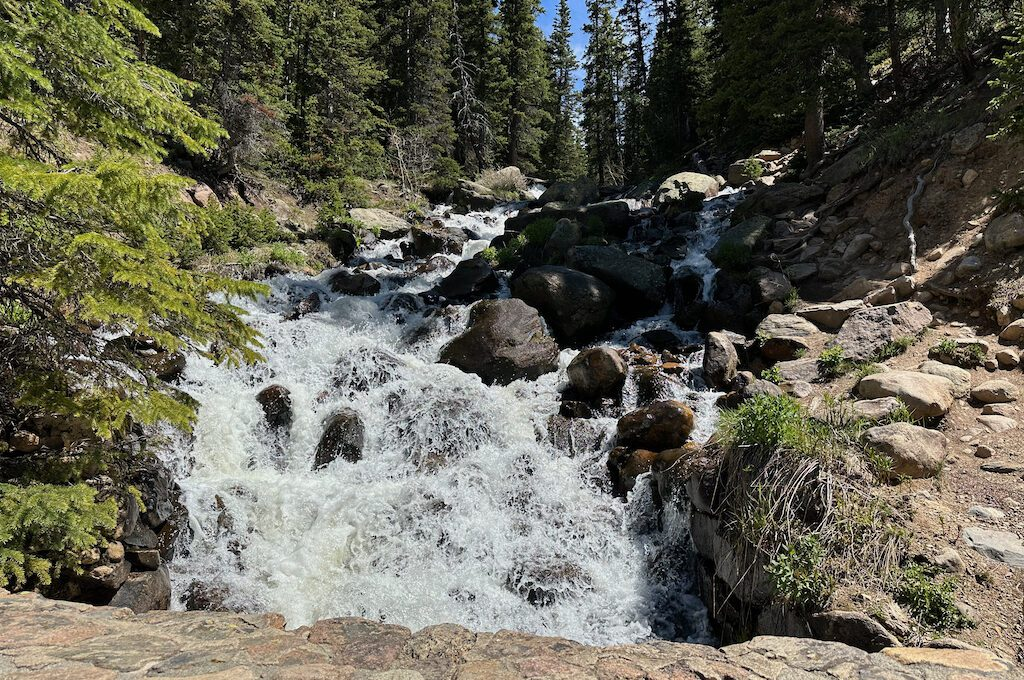
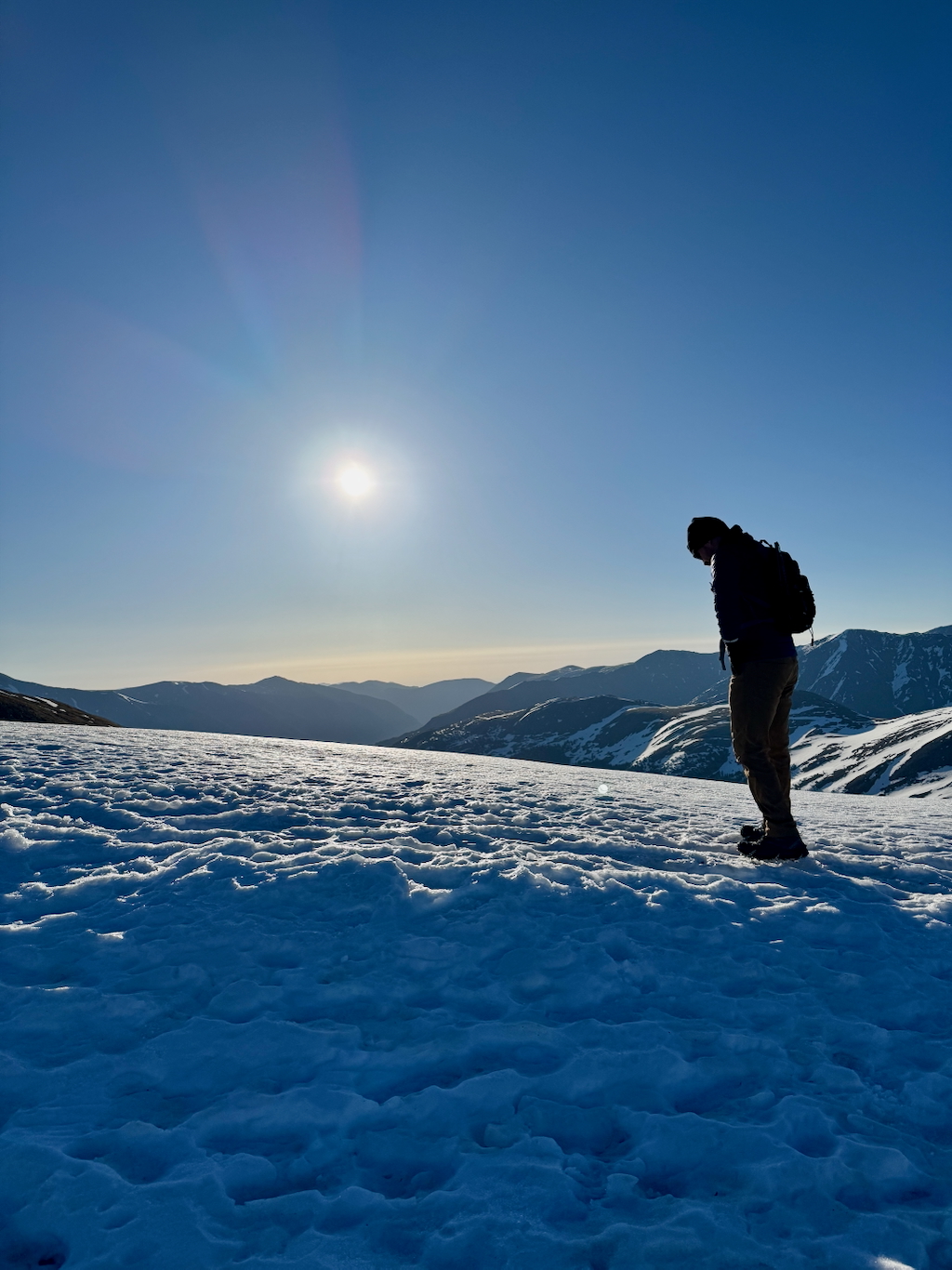
As you make your way up from the south side, you’ll spot a stunning cascade pouring down the rocks right along the roadside. It’s fed by snowmelt and runoff from the high peaks around the pass, and in spring and early summer, it’s especially powerful. There’s a pull-off where you can stop, snap a photo, and soak in the view. You can also do some light scrambling up to a fantastic view looking out towards the mountains.
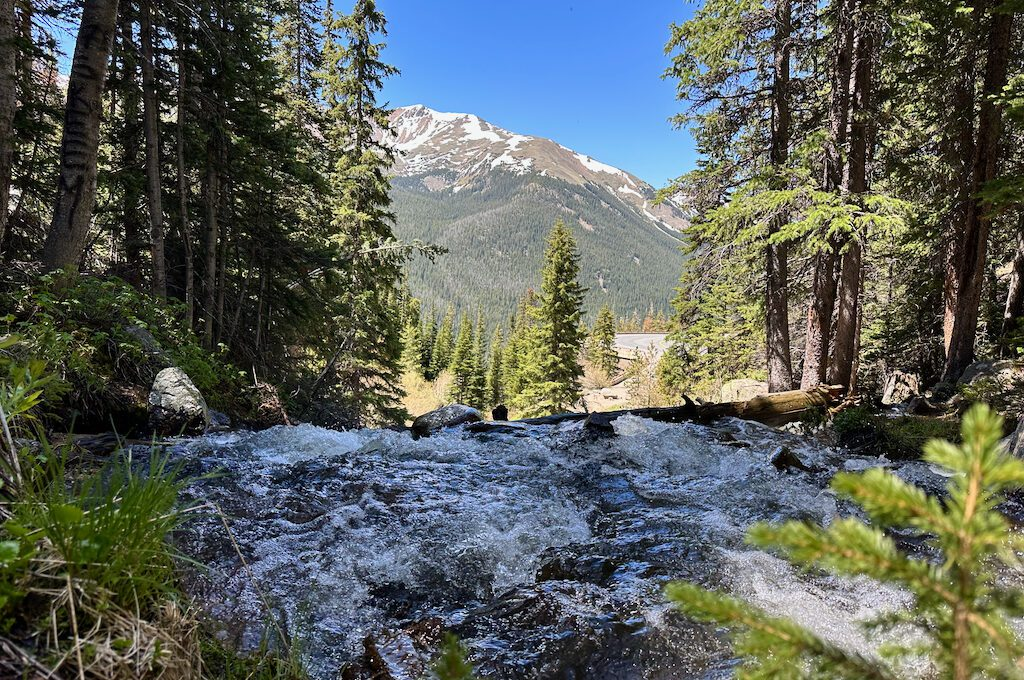
At the top of the pass, there’s a parking area with restrooms and interpretive signs explaining the Continental Divide and local history. In the summer, hikers and mountain bikers use the pass as a jumping-off point for trails like the Berthoud Pass to Stanley Mountain route, which gives you sweeping views and a good dose of alpine air.
But even if you’re just passing through, Berthoud Pass makes the Divide feel surprisingly accessible—and that waterfall? It’s one of those small Colorado surprises that makes the journey just as good as the destination.
Final Thoughts
The Continental Divide isn’t just a line on a map—it’s one of the defining features of the American West. In Colorado, it shapes the landscape in every possible way: the mountains, the rivers, the roads, and the weather. And the best part? You don’t need to be an extreme adventurer to enjoy it.
Whether you’re hiking to a 14er summit, taking a peaceful walk through wildflower meadows, or just soaking in the views from your car, there are so many ways to experience the Divide. These six spots offer a little something for everyone—and they’ll leave you with a deep appreciation for the power and beauty of this natural landmark.
So go ahead—plan a trip, lace up those boots (or don’t), and go stand on the spine of a continent. Colorado’s waiting.

Daniel Gillaspia is the Founder of UponArriving.com and the credit card app, WalletFlo. He is a former attorney turned travel expert covering destinations along with TSA, airline, and hotel policies. Since 2014, his content has been featured in publications such as National Geographic, Smithsonian Magazine, and CNBC. Read my bio.
